
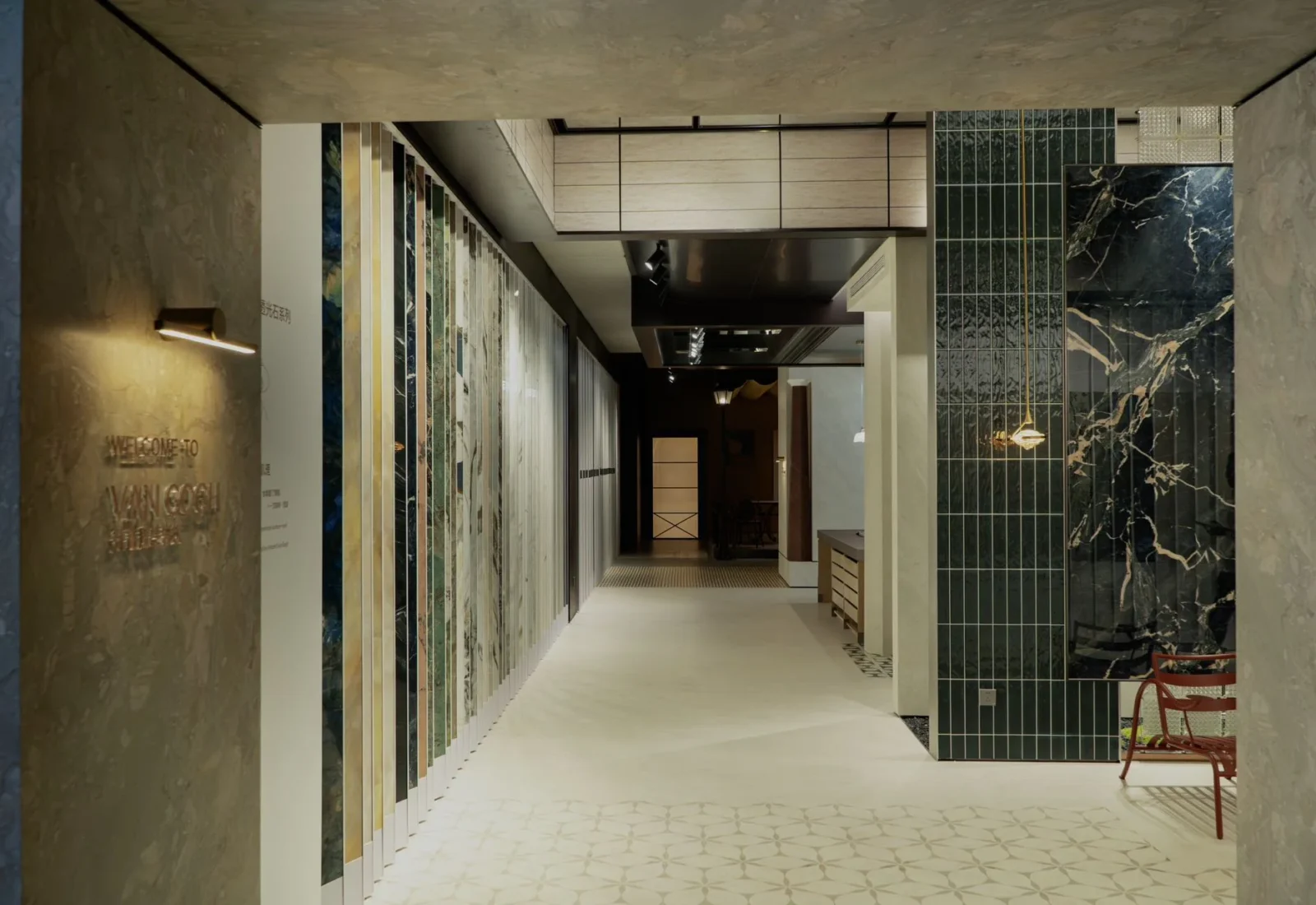
Showroom visits become confusing when every display is photographed but nothing is recorded in the same way. A useful comparison is a set of consistent product records: what you saw, what can change, what the quotation covers, and what still needs confirmation.
Use the checklist for every serious candidate across the Foshan showrooms. Keep one page, note, or spreadsheet row per product, and complete it before moving on.
Start with a decision brief
Write down the job each item must do before the first appointment. Include the room, maximum footprint, users, daily-use needs, preferred look, and a working budget range. Mark requirements as essential, preferred, or optional. This prevents a dramatic display from replacing a practical requirement you established at home.
Bring room dimensions, doorway and lift constraints, a floor plan if available, and photographs of fixed finishes. For upholstered pieces, note who will use them and whether seat height, firmness, washable covers, pets, or children affect the choice. For tables and cabinetry, record circulation space, chair clearance, outlets, and wall constraints.
- Identify the item: showroom, contact, model or SKU, display location, and the date seen.
- Define the fit: overall dimensions, usable dimensions, access constraints, and orientation.
- Name the decision: what this candidate does better, and what would rule it out.
Create one comparable product record
Photograph the full item first, then its label or model reference, material samples, joins, mechanisms, hardware, and any detail discussed with the representative. Put a handwritten product number in the first frame or add the same number to every caption immediately. A folder named only “Day 2 showroom” will not help when two similar beige sofas appear in your camera roll.
Record the displayed size and the quoted size separately. Do the same for the displayed material and the material you are considering. Ask for the exact finish, fabric, leather, stone, timber, foam, hardware, or coating description that would appear on an order. If a material has natural variation, ask how the supplier handles sample approval and what range of variation should be expected; do not assume a small swatch guarantees an identical finished surface.
Test what matters in use. Sit in different positions, operate drawers and mechanisms, check stability, look underneath where appropriate, and inspect the back as well as the presentation side. Note comfort in plain language: seat depth for your height, back support, edge pressure, ease of standing, and whether cushions recover after use. “Comfortable” is too vague to compare later.
A good showroom note should still make sense after the display, the salesperson, and the excitement of the visit are gone.
Make customization visible
Customization creates a second product: the version you may actually receive. List every requested change, including dimensions, orientation, finish, upholstery, seam treatment, leg or handle, internal layout, and electrical specification. Ask which changes are routine and which require engineering or production review. Record the supplier’s stated tolerances rather than inventing your own.
For each change, identify the reference that will govern production. It may be a signed drawing, a numbered sample, a marked photograph, or a written specification. Ask whether an updated drawing or sample will be supplied before production and who must approve it. If two finishes need to coordinate, photograph their labelled samples together under neutral light and note that screen colours are not reliable approvals.
Compare the complete offer
Price makes sense only beside scope. Ask for a written quotation that connects the model, size, quantity, material, finish, customization, and selected options to a total. Then separate what is included from what is excluded. Depending on the supplier and destination, questions may cover packing, local transport, consolidation, inspection, export documentation, international freight, insurance, delivery to the building, lifting, assembly, installation, and removal of packaging. Confirm the actual scope in writing; service boundaries differ.
Record the stated production estimate, how timing begins, how changes affect it, and when availability must be reconfirmed. Note the warranty and after-sales process in operational terms: covered components, duration stated by the supplier, evidence required, response channel, spare-part handling, and who pays associated transport or labour. Ask how visible damage, missing parts, functional faults, or specification differences are reported.
- Quotation reference, currency, taxes or fees stated, and validity period.
- Included and excluded services, written as separate lines.
- Sample, drawing, and specification approvals still outstanding.
- Supplier-stated production, inspection, packing, and dispatch sequence.
- Warranty contact and the documented issue-reporting process.
Turn records into a shortlist
Review candidates at the end of each visit day, not after the entire trip. Reject anything that fails an essential requirement. For the remainder, score fit, comfort or function, material confidence, customization clarity, complete delivered scope, service confidence, and unresolved risk. Keep “unknown” as a valid result; it is a prompt for follow-up, not a reason to guess.
Send one concise question list per shortlisted item and ask the supplier to answer against the same model reference. Date every update. Before committing, reconcile the final record with the written quotation and order documents. If independent checks are appropriate, review the quality inspection service and define the scope before production or dispatch.
Research note
This guide is an original thematic synthesis prepared on 15 September 2026 from public Xiaohongshu posts by buyers, industry participants, and logistics sellers, together with recurring showroom-planning questions. Those social posts are experiential sources, not independently verified specifications or universal rules.
Confirm technical details, contract terms, prices, warranty coverage, availability, timing, and logistics conditions directly with the relevant supplier and qualified professional. For help building a brief and visit plan, send us your requirements.